
Pick of the Month - April 2026
30 March 2026 | By Lucy Grehan-Bradley
Welcome to April's Pick of the Month! We’re excited to feature individuals who are making a real impact in the charity world. From creative social innovators to tireless charity leaders, their work is all about driving change and improving lives. We’ll take a closer look at their unique paths, the challenges they’ve navigated, and the incredible contributions they’re making to communities across the UK. Come join us in celebrating their inspiring efforts!
Trustee of the Month - Rebecca Dam, ecoACTIVE
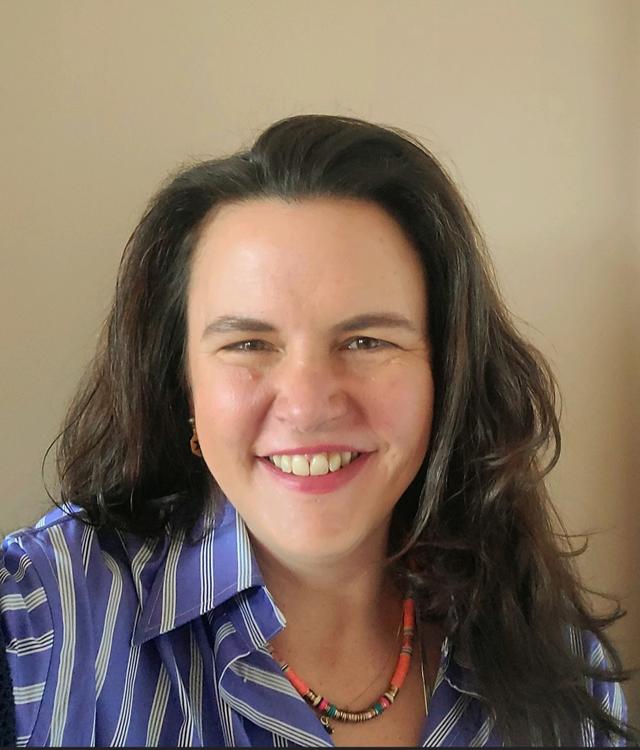
ecoACTIVE is a sustainability charity that supports local communities through solution-based, hands-on learning and nature connection to inspire action.
We spoke to Rebecca Dam, one of ecoACTIVE's newest trustees.
Rebecca told us a little bit about what her mission is:
"EcoActive’s focus is on educating the community, including adults and children, on sustainability and the environment. We do this via workshops and activities, to empower people in the community to be able to take their own meaningful actions in daily life.
The charity is on a mission to enable people to be their own agents of change for a sustainable future and planet. Change starts with knowledge and understanding of the environment so we can all make a change."
We asked Rebecca how she got to where she is today and what her role involves:
"I have been working in sustainability and human rights in supply chains for about 15 years now and I wanted to get more involved in a local environmental activity, something where I could see tangible impact. I came across Ecoactive, as a charity local to me and believed in the work they were doing to make members of the community knowledgeable, to be able to make their own positive decisions. I don’t believe it’s any one groups’ responsibility to make change but that we are all able to, if we have the right knowledge and participation opportunities.
I have only just commenced the role this month, so I’m excited to join as a trustee and learn about my role of ensuring we fulfil our purpose for the benefit of the community."
Rebecca shared some advice for aspiring trustees:
"If you were to decide to be a trustee for a charity, I think it's important to be excited by the issue or theme of the charity. It has to be a cause you believe in and one you think works, it’s much easier to carry out your best work when you have a passion and a belief in the work."
Finally, Rebecca discussed what she's passionate about seeing change in the sector:
"I am excited to see more grants going to environmental charities and more green spaces being protected so that we can all enjoy them. I am also very passionate to see that more people are getting involved in environmental issues and understand their role and responsibility in protecting and getting involved in their community."
Read more about the work at ecoACTIVE.
Charity Leader of the Month - Stephen Frost, Bridges for Communities
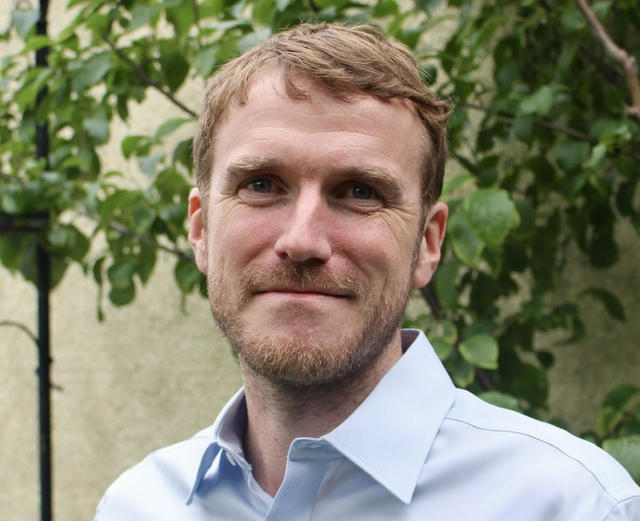
Bridges for Communities is a Bristol-based charity that connects people of different cultures and faiths, enabling them to build friendships, grow in their understanding of one another and live well with difference.
We spoke to Stephen Frost, Managing Director at Bridges for Communities.
Stephen told us a little bit about what his mission is:
"I've had a variety of roles in the charity sector and local government with the common thread being they all involved, in one way or another, connecting people with each other and with opportunities to have a voice in decisions that affect them or to make a difference in their communities. I see this as my personal mission and the foundation of a thriving society; one that people feel they belong to and are able to play an active role in shaping. My new role as Managing Director of Bridges for Communities continues this mission with a specific focus on strengthening social cohesion in Bristol."
We asked Stephen how he got to where he is today and what his role involves:
"I got where I am today through a fair amount of luck! I grew up in a small village in Norfolk and it is only when I stepped into a volunteers' fair in my first year at the University of Birmingham that I started to understand what the charity sector was and got excited about being part of a community dedicated to making a positive difference in the world. Volunteering at university led me to my first paid internship in a youth social action charity which taught me many of the skills I rely on today and shaped my understanding of where I could make the most impact. This experience led to me setting myself three rules that I've used to steer my career choices since then: Do good. Have fun. Keep learning.
My role at Bridges for Communities combines working alongside sanctuary seekers to connect them to community life with working across the city to help communities grow in their understanding of each other and live well with difference. It's a diverse role but is already proving a lot of fun and provides me the perfect excuse to get out and about in Bristol meeting interesting and inspiring people."
Stephen shared some advice for aspiring leaders:
"I'm very conscious of the many ways I'm still developing as a leader but I'm happy to offer three pieces of advice that have served me well: 1) Be curious and listen more than you speak, 2) trust in people and don't try to do it all, and 3) lead consciously."
Finally, Stephen discussed what he's passionate about seeing change in the sector:
"I'm an active dad of two under 5 year olds. My roles over the last few years have supported me to be the kind of parent I've wanted to be, either through good parental leave policies or flexible working practices, but I'm aware that this isn't the case for too many people in the sector. There's no overnight fix to this but I'd challenge every leadership team, including trustees, to consider where they can take practical steps to reduce the stress that juggling work and family life can cause."
Read more about the work at Bridges for Communities.
Social Entrepreneur of the Month - Kate, Phil and Nick, Dementia Disco
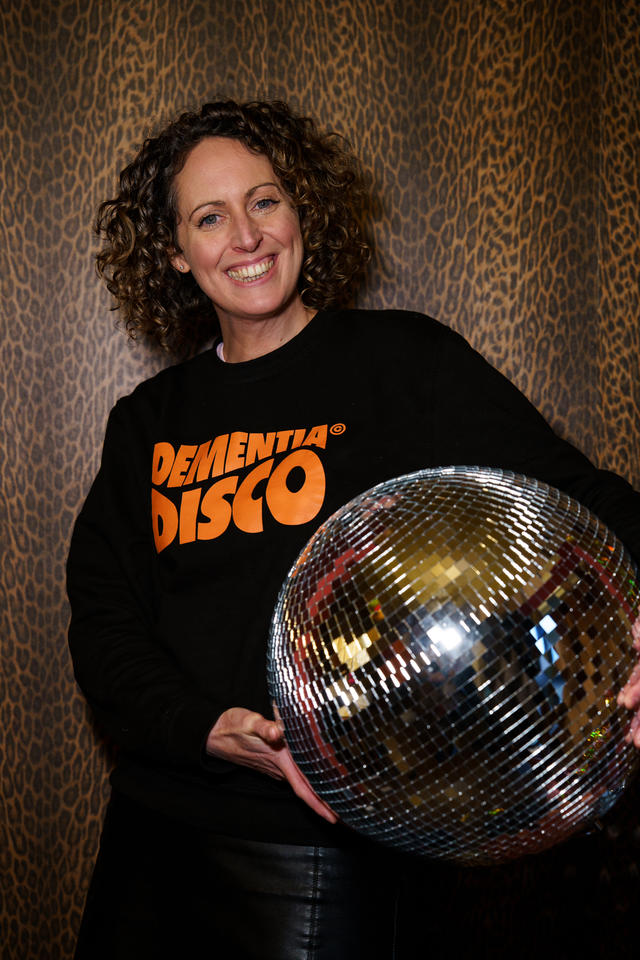
Dementia Disco is an organisation changing the narrative of dementia, one disco at a time.
We spoke to Kate, Phil and Nick, Co-Founders of Dementia Disco.
Kate told us a little bit about her work and what her mission is:
"Our vision is a world where every person living with dementia dances every day. Our mission is to inspire a national movement of joy by equipping communities, volunteers, and care homes with the tools and training to host inclusive discos. We believe in fostering connection for everyone affected by dementia, regardless of age.
To achieve this, we run free-to-attend discos for people living with dementia, their carers, family, and friends and children are welcome too! We deliberately hold these sessions on weekend evenings so that working family members and school-aged children can join in. To make the experience as accessible and welcoming as possible, we also provide a free meal, tea, and coffee. Beyond our community events, we also bring the disco experience directly into care homes."
We asked Kate how she got to where she is today and what her role involves:
"Dementia Disco was founded by myself (Kate), Phil, and Nick. We were all driven by our personal experiences of having family members live with the condition. Nick and I saw our father diagnosed with Alzheimer’s at just 66. While there were local groups using music, they often focused on songs from the 40s and 50s. Being born in 1950, our dad was a product of the 60s and 70s and those older songs just didn't resonate with him.
Phil’s inspiration came from her gran, Margaret, who developed vascular dementia in her 90s. Phil felt she lost the independent, piano-playing woman she knew far too quickly.
Dementia Disco is our way of creating new memories of fun and giving people the chance to be their true selves again.
We identified a major gap in community activities for younger people living with dementia. By running at the weekends, we allow multiple generations to dance together. It also offers carers a vital break, as a friend or relative can bring the guest to the disco while the primary carer rests. I ran the organisation voluntarily for the first five years before securing funding to become the first paid employee. Today, I am the CEO, managing all operations, though I still love volunteering at our weekend discos."
Kate shared some advice for aspiring leaders:
"Becoming a charity CEO requires an immense amount of hard work and commitment. My best advice is to find a cause you are truly passionate about or better yet, start your own! When you're facing long hours and complex challenges, it's that genuine love for what you do and the desire to make a tangible difference that keeps you going."
Finally, Kate discussed what she's passionate about seeing change in the sector:
"I am deeply passionate about changing the narrative surrounding dementia. There is often a "can’t do" attitude, but I want to replace that with "can do." You can live well with dementia; you can lead an active, useful life and remain a vital part of your community.
The disco allows people to lose their inhibitions and find themselves again. It gives families the chance to see the person they love before the diagnosis, rather than just the symptoms. I want the sector to focus on that joy and the possibility of connection, rather than just the clinical side of the condition."
Read more about the work at Dementia Disco.
Fellow of the Month - Chris Bailkoski, Cromer Artspace
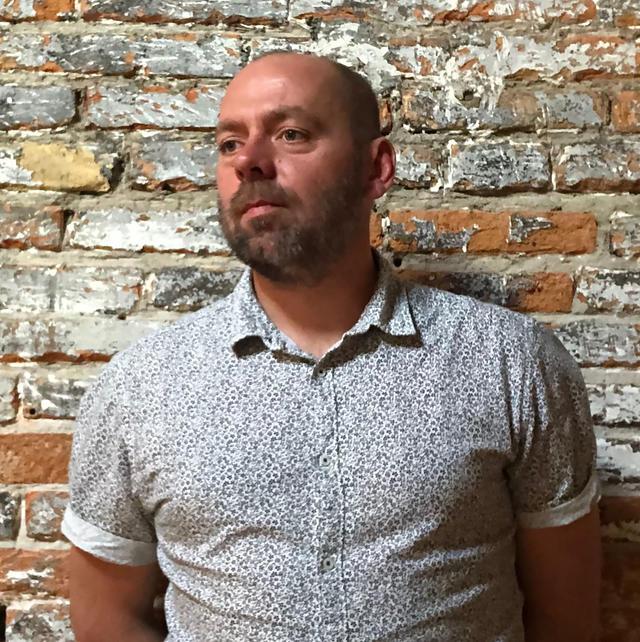
Cromer Artspace is a contemporary art gallery in an Art Deco building on Cromer’s west promenade. This iconic seafront location attracts nationally and internationally recognised artists.
We spoke to Chris, curator and fundraiser at Cromer Artspace, about his role and his experience so far as a fellow.
Chris works across multiple projects and organisations, often remotely and generally within business development, programming and finance. Since moving to North Norfolk last year, he has been actively involved with Cromer Artspace - a charity which situates art in public spaces across the town including Artspace on the Prom and Bigger Picture. The role involves curating, fundraising, and working with different teams in the organisation to deliver its programme.
Given the context of the UK right now, we asked Chris what the key opportunities for his organisation are:
"With the effects of reduction in Local Authority and Arts funding, rising costs, and cost of living crisis, Cromer Artspace is positioned to become a foundational and transformative cultural organisation in North Norfolk. Using contemporary art as a way to engage with place and local residents, accessing a wider range of funding and income generating opportunities will allow us to develop a cultural tourism strategy where traditional tourism numbers are dropping. We want to build capacity and lead the change through active projects, quickly and creatively transforming Cromer and the region. Rural and coastal communities are often overlooked for priority funding compared to cities and urban regions, and we want to develop a strategy to shift perceptions of Cromer specifically - our work can also be used as a case study for similar regions nationally."
Thinking about the year ahead, we asked Chris what he is most looking forward to as part of the Fellowship Programme:
"I am looking forward to the peer learning aspect of the fellowship - meeting new people, sharing different perspectives, and creative approaches to problem solving together is a very exciting and fulfilling part of learning for me. The mentorship is another part of the fellowship I am looking forward to. I have only had mentorship a couple of times in my career and only for short periods, so to have access to a mentor for a longer period of time will be very beneficial to my career. Additionally, the community building within the fellowship will hopefully lead to long lasting professional relationships and open up new networks (professionally, creatively, formally and informally)."
Finally, Chris discussed what he's passionate about seeing change in the sector:
"I am passionate about implementing an industry standard payment structure for the culture sector. While there is great advice and advocacy of fair pay through organisations such as the Real Living Wage, A-N, and Artists Union of England, there is still a culture of payment through exposure and underpayment for time worked (often below minimum wage) for arts sector workers. This is why the majority of arts workers are from privileged backgrounds in the sector, which has the additional effect of diluting and homogenising culture. Organisations should do better in terms of transparency of working conditions and funders should insist on a standard fair payment as part of the requirement for funding."
Read more about the work at Cromer Artspace.