Pick of the Month - February 2026
| By Lucy Grehan-Bradley
Welcome to February's Pick of the Month! We’re excited to feature individuals who are making a real impact in the charity world. From creative social innovators to tireless charity leaders, their work is all about driving change and improving lives. We’ll take a closer look at their unique paths, the challenges they’ve navigated, and the incredible contributions they’re making to communities across the UK. Come join us in celebrating their inspiring efforts!
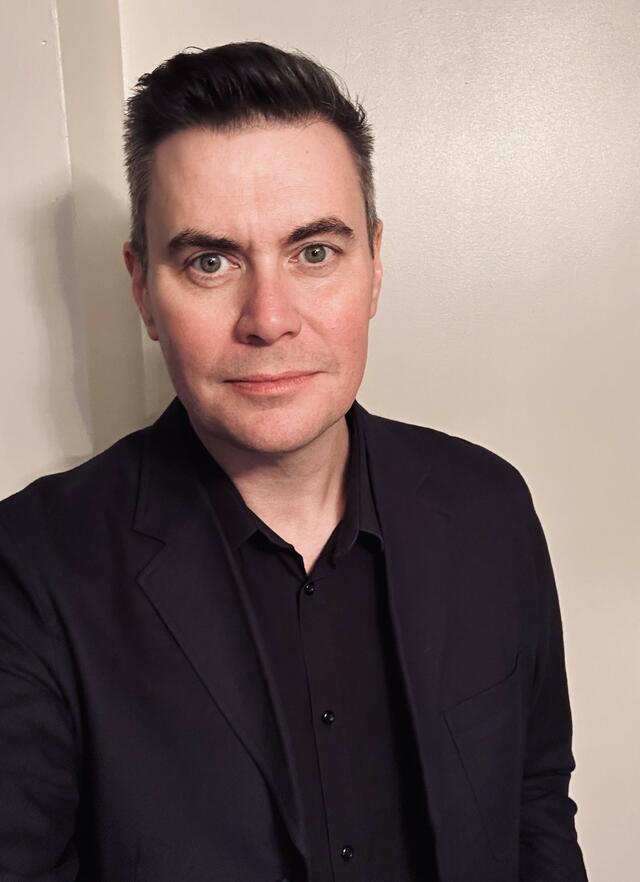
Trustee of the Month - David Catterall, Bury VCFA
Bury VCFA enhances local community and voluntary action by developing the capacity of Voluntary, Community, Faith and Social Enterprise (VCF) organisations in Bury to provide support and deliver quality services.
We spoke to David Catterall, a current Trustee at Bury VCFA.
David told us a little bit about his mission is:
"My career has always centred on people, places, and the belief that everyone deserves the opportunity to belong in the communities they call home. At its heart, my work is driven by the values of inclusion, diversity, and equality. Whether through my volunteer roles in the Lieutenancy and the Bury VCFA, my years within local government, or my new role as Chief Executive of the National Association of British Market Authorities (NABMA), the mission remains the same, to create spaces where everyone feels welcome, empowered, and represented.
Markets are one of the last democratic public spaces. They bring together different cultures, generations, abilities, and backgrounds in a way few other places can. My mission is to champion markets as engines of opportunity and belonging. They are places where local entrepreneurs and communities can thrive and where diversity is celebrated."
We asked David how he got to where he is today and what his role involves:
"My career started in hospitality but in the crash of 2009, I moved to a ‘temporary’ at Bury Council, where I spent 16 years shaping services that directly impact communities including commercial services to regeneration. That experience has grounded me in the realities people face every day, inequalities, barriers to access, and the very real differences that inclusive leadership can make.
My voluntary work runs alongside this. Serving as District Chair for the Bury Lieutenancy, Chair for Annabelle’s Challenge and Bury LGBTQI+ Forum and as a trustee for Bury VCFA has kept me rooted in community-driven change. These roles constantly remind me that good leadership is about service, listening, and lifting up others.
As Chief Executive of NABMA, I’m privileged to support markets across the UK. My role involves championing policy change, supporting councils and operators, advocating for traders, and helping shape a future for markets that embraces innovation while staying true to their social purpose. I see this next chapter as an opportunity to drive national conversations around community empowerment, economic inclusion, and the importance of diverse public spaces."
David shared some advice for aspiring leaders:
"Lead ethically and with core values, not ego. Good leadership is about understanding who isn’t in the room and why. The best leaders are the ones who look for missing voices and actively bring them in. The wider range of voices and more diverse thinking will always lead to better decision making grounded in the community or business needs. Understanding people and reflecting the needs of people in an ethical way, will always create buy-in and understanding, even when the decision may be difficult. I recommend reading Rebel Ideas by Matthew Syed.
Stay close to your community. It’s easy to drift upwards and away from the people who experience the impact of decisions. The more senior you become, the more intentional you must be about staying grounded. Take on board the advice and information from the subject matter experts as you can never know it all and leaders who think they have all the answers are usually poor leaders.
Be curious. Learn from everyone. Some of the most important insights I’ve gained came from traders on cold market mornings, volunteering in the community, or residents sharing their stories. Leadership is a continual exercise in listening and learning.
Champion diversity in all its forms. Not because it’s a box‑ticking exercise, but because diverse perspectives lead to better decisions, richer ideas, stronger organisations, and fairer outcomes. Can I recommend again Rebel Ideas by Matthew Syed??"
Finally, David discussed what he's passionate about seeing change in the sector:
"I want to see a future where markets and the wider public sector are recognised their social, cultural, and inclusive potential which drives economic and commercial benefits.
For too long, diversity and equality have been treated as optional extras or “nice ambitions.” I want our sector to embed these values as fundamentals. That means:
- ensuring markets are accessible for people of all abilities
- supporting traders from underrepresented communities
- designing public spaces that reflect the people who use them
- empowering local voices in decision‑making
- and recognising markets as catalysts for regeneration that includes everyone, not just a select few
My passion is to help create a sector where everyone belongs, where leadership reflects the communities we serve, and where diversity is seen not as a challenge, but as one of our greatest strengths."
Read more about the work at Bury VCFA.
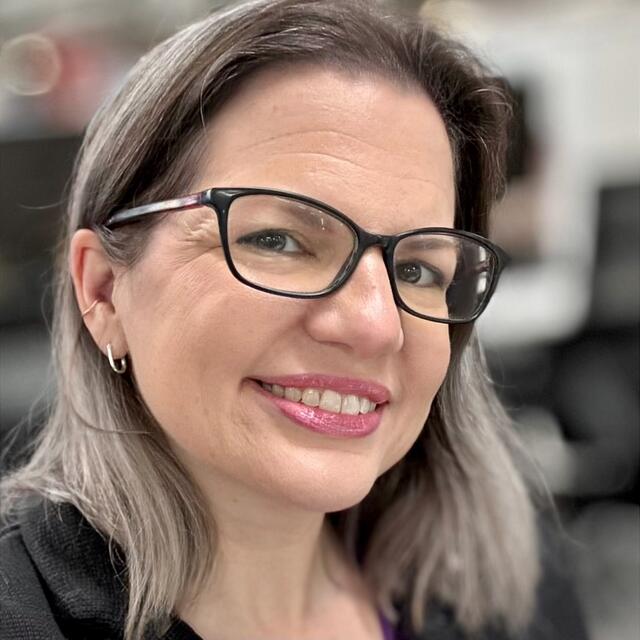
Charity Leader of the Month - Lydia Makaroff, CEO at Multiple Sclerosis International Federation
Multiple Sclerosis International Federation is a unique global network of MS organisations with 49 members from around the world, and links to many others.
We spoke to Lydia Makaroff, CEO at Multiple Sclerosis International Federation.
Lydia told us a little bit about what her mission was:
"I am the Chief Executive of the Multiple Sclerosis International Federation (MSIF), a global network of MS organisations. Our mission is to improve quality of life for everyone affected by MS and to stop MS. My work centres on strengthening the global movement, improving diagnosis and access to treatment, advancing research, and ensuring the voices of people with MS shape decision-making."
We asked Lydia how she got to where she is today and what her role involves:
"My background is in medical research and public health. I began my career in Australia and the USA, then moved to Belgium to work in health advocacy before continuing this work in the UK. In my current role, I support the staff, work with the Board and Chair, and bring strategy and delivery into alignment. I also look for donors to support our work through funding and through in-kind contributions. The largest part of my role is listening to people across different health systems and helping the movement act together."
Lydia shared some advice for aspiring leaders:
"You don't need the title of "Leader" to lead. Leadership shows up in many places. It can be asking a clear question, challenging a decision that feels out of step, bringing people together, or making sure a quiet voice is heard. It might be a volunteer who starts a peer group, an advocate who raises concerns about diagnostic delays, or a May 50K captain who rallies a team to move and fundraise. If you are doing any of these things, you are already leading."
Finally, Lydia discussed what she’s passionate about seeing change in the sector:
"I care deeply about equity in access to diagnosis, treatment, and support. Where someone lives should never shape how early a diagnosis happens, what care is available, or how well a life can be lived. Change gains strength when organisations share platforms, open doors, and invest in long-term capacity.
I am also committed to improving how lived experience is included in health systems, research, and decision-making. People with lived experience should be involved early, supported to contribute in meaningful ways, and included fully. Anyone who convenes, hosts, or funds work in health can help shift the system towards a more person-centred approach."
Read more about the work at Multiple Sclerosis International Federation.
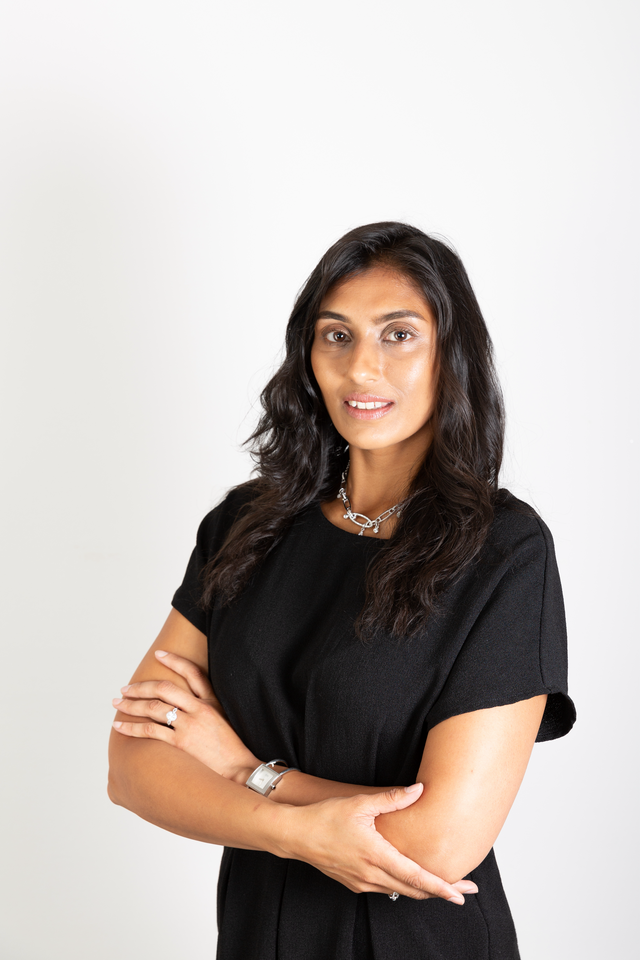
Social Entrepreneur of the Month - Dr Asha Patel, CEO at Innovating Minds
As recognised experts and thought leaders, Innovating Minds empowers organisations to create safe, supportive environments where everyone can thrive. Its evidence-based programmes, training, and consultancy are designed to transform mental health and wellbeing in education, workplaces, and communities across the UK.
We spoke to Dr Asha Patel, CEO at Innovating Minds.
Asha told us a little bit about her work and what her mission is:
"My work, alongside Innovating Minds, is centred on advancing trauma-informed practice across education, health, and social care. Our mission is to create sustainable, systemic change in how services understand, respond to, and support mental health and wellbeing. We focus on moving beyond awareness and into meaningful, long-term implementation that transforms cultures, systems, and outcomes.
At the heart of our work is the belief that early, trauma-informed support can change life trajectories. We train and upskill frontline practitioners to recognise the impact of trauma, respond with compassion and consistency, and provide safe, effective support to babies, children, young people, parents, and carers. Importantly, we also prioritise the wellbeing of the workforce itself, offering wraparound support that promotes reflective practice, emotional resilience, and professional sustainability.
Our approach combines clinical expertise, evidence-based frameworks, and real-world implementation. We work closely with schools, local authorities, NHS services, and community organisations to embed trauma-informed principles into everyday practice, policy, and commissioning. This ensures that trauma-informed care is not just a short-term initiative, but a long-lasting, systemic shift that improves outcomes for both service users and professionals."
We asked Asha how she got to where she is today and what her role involves:
"I am a qualified Clinical Psychologist and began my career working in forensic mental health services with high-profile offenders. While this role was clinically complex and professionally challenging, I became increasingly frustrated with working at what I often describe as the “wrong end of the spectrum.” Many of the individuals I supported had experienced significant childhood trauma, yet had not received the early intervention, understanding, or support that could have changed their life course.
This experience shaped my professional mission. Ten years ago, I founded Innovating Minds to focus on prevention, early intervention, and trauma-informed systems. My aim was to ensure that children and families could access the right support earlier, in environments where they felt safe, supported, and understood – delivered by professionals they already trusted.
Today, my role involves developing innovative, trauma-informed services and training programmes that equip frontline practitioners with the skills, knowledge, and confidence to respond effectively to trauma. I work closely with local authorities, education settings, and health and social care organisations to support the implementation of trauma-informed frameworks, ensuring they are embedded at both practice and strategic levels.
I also lead on impact analysis, service development, and organisational strategy, ensuring our work remains evidence-based, outcome-focused, and responsive to emerging needs. As a leader, my focus is on bridging the gap between clinical knowledge and real-world application – translating complex psychological theory into practical, accessible tools that create lasting change."
Asha shared some advice for aspiring leaders:
"One of the most important lessons I have learned is to be comfortable with the hard truths and ‘fail fast’. These moments often provide the most powerful learning opportunities.
Surrounding yourself with the right people is essential. Seek out mentors, peers, and colleagues who will both support you and challenge you when you need it the most.
Finally I would strongly encourage ongoing investment in personal and professional development. The sectors we work in are constantly evolving, and staying informed, reflective, and open to learning is crucial. Leadership in trauma-informed practice, in particular, requires emotional intelligence, self-awareness, and a strong commitment to ethical, compassionate practice."
Finally, Asha discussed what she's passionate about seeing change in the sector:
"I am deeply passionate about seeing trauma-informed practice become the standard, not the exception. This means moving beyond isolated training sessions and towards whole-system, trauma-informed commissioning, policy, and service design.
Frontline practitioners across education, health, and social care need access to high-quality training, practical resources, and ongoing supervision to embed trauma-informed principles into every aspect of their work. Without sustained support, trauma-informed practice risks becoming a tick-box exercise rather than a meaningful cultural shift.
I am also passionate about increasing public understanding of trauma and its impact. When trauma-informed principles are adopted not only in professional settings but also in families, communities, and everyday interactions, we create safer environments for future generations.
Ultimately, my goal is to see systems that prioritise prevention, compassion, and early intervention – reducing long-term harm, improving wellbeing, and ensuring that children and families receive the support they need before crisis points are reached."
Read more about the work at Innovating Minds.
Fellow of the Month - Anna Jefferson, Co-Director at New Writing South
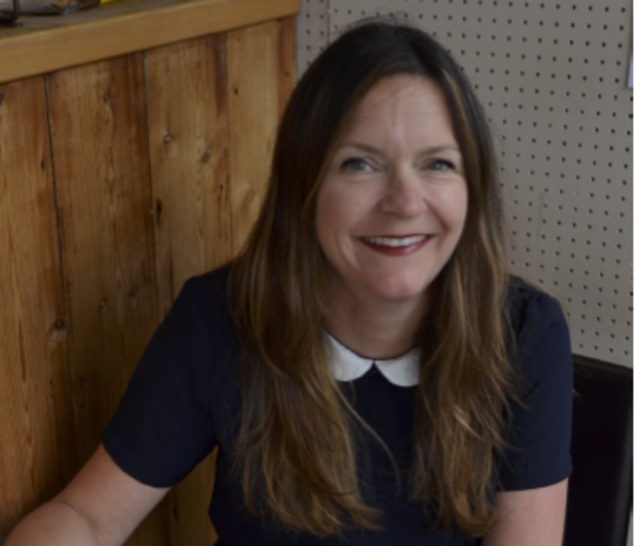
New Writing South is a non-profit organisation for writers living and working in South-East England. It exists to support and encourage new, emerging and established writers from diverse communities.
Since joining New Writing South 18 months ago, Anna's priorities have been to consolidate and develop the artistic programme with a focus on supporting marginalised writers in the south east, fundraising and strategic planning. She has worked in the creative industries for over 25 years in a variety of roles, her previous role was as a relationship manager at Arts Council England. She has also worked freelance, developing her own practice as a theatre maker and writer.
We spoke to Anna, Co-Director at New Writing South, about her role and the year ahead as a fellow.
Given the context of the UK right now, we asked Anna what the key opportunities for her organisation are:
"As a small organisation we are in a great position to be responsive to opportunities, this has enabled us to apply to funders with a relatively short turn around, for example. We are well networked both regionally and nationally and work very well in partnership with a range of organisations of varying sizes. I think one of the most significant opportunities for us is the quality of our programme and ability to connect with marginalised writers. Our Coast is Queer festival for LGBTQ+ writers is the only one in Europe of its kind and attracts international attention. Forthwrite festival supporting women writers is also the only literature festival supporting this age range and gender."
Thinking about the year ahead, we asked Anna what she is most looking forward to as part of the Fellowship Programme:
"I feel very ready to start learning. I have not had the capacity within my role for the last 18 months to concentrate on personal and professional development, and the timing of this is perfect with a shift in programme and starting to refresh our business plan. I would also like to feel networked with other peers to discuss and support."
Finally, Anna discussed what she’s passionate about seeing change in the sector:
"I think it is essential that as a sector we become more forward facing, and that some of the old systems are overhauled. The arts has the power to make incremental change to communities and individuals, and we as a sector have a responsibility to take that seriously. I am passionate about inclusivity and creating opportunity, breaking down barriers and ensuring opportunities are widely and equitably spread."
Read more about the work at New Writing South.